



Kabrita-Goat-Milk -Toddler-Formula-Tin-South-Korea

Goat Milk-Based Toddler Formula

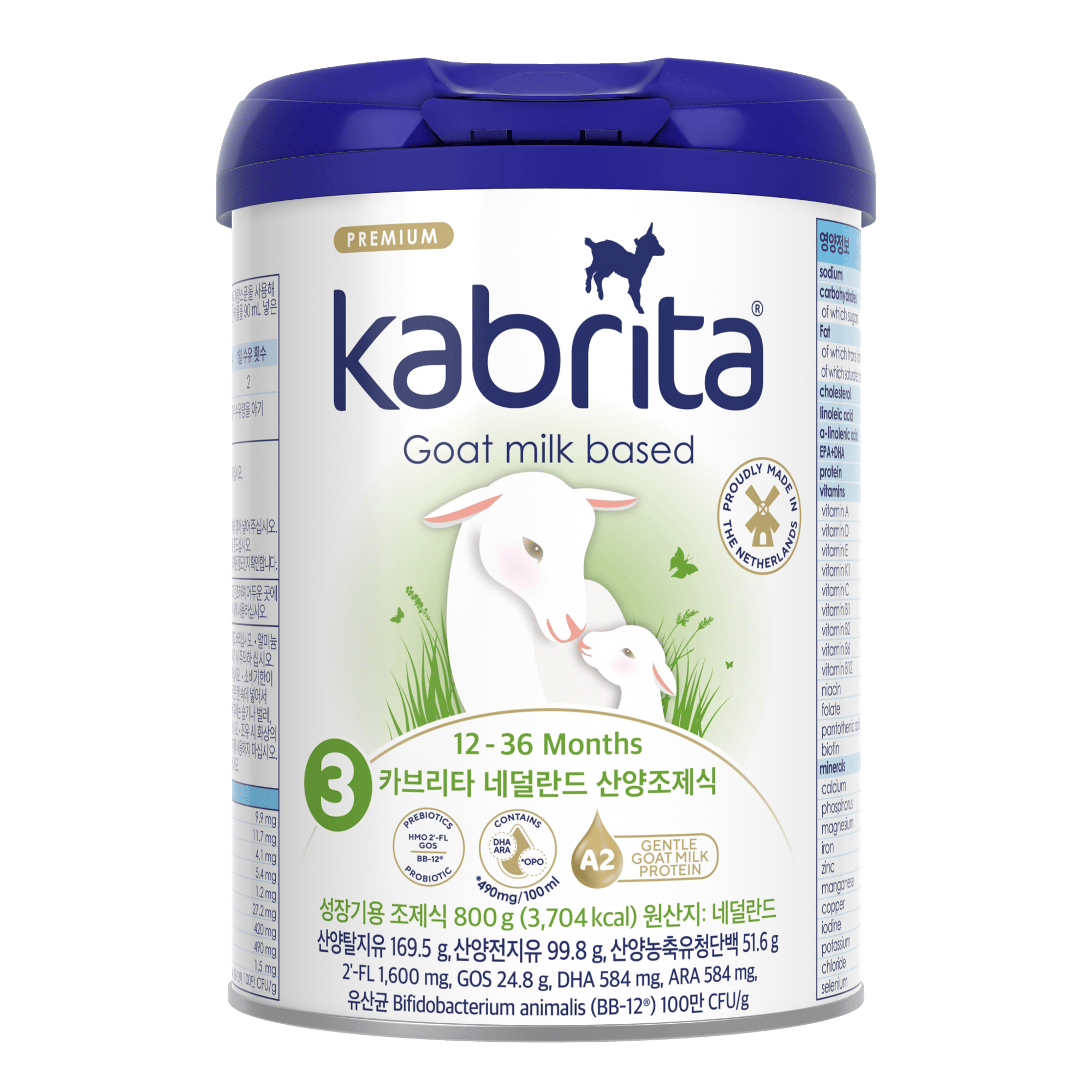
Kabrita goat milk-based toddler formula is nutritionally complete, enriched with essential vitamins, minerals to support healthy growth and development of toddlers from 12-36 months old.

Disclaimer: This recipe and label are specific to South Korea formulation. 

Kabrita_800g_12-36_1010767_Front

What's inside

Goat milk protein
Goat milk proteins are easier to digest than cow milk proteins2–7 

Lactose 
Lactose is the only sugar in Kabrita. It has moderate glycemic index and it provides the body with galactose which is crucial for brain development

Oligosaccharides
Goat milk naturally has 6x more prebiotics than cow milk8,18

Probiotic
BB-12 supports well balanced gut microbiota, immune function, & comfort 

Rich in sn-2 palmitic acid
Similar to breast milk13; Ca+ & fat absorption14, 15 and stool consistency16,17

Folic acid
21mcg/100ml meets US and EU requirements

ARA & DHA
> 1:1 ratio to meet scientific recommendations

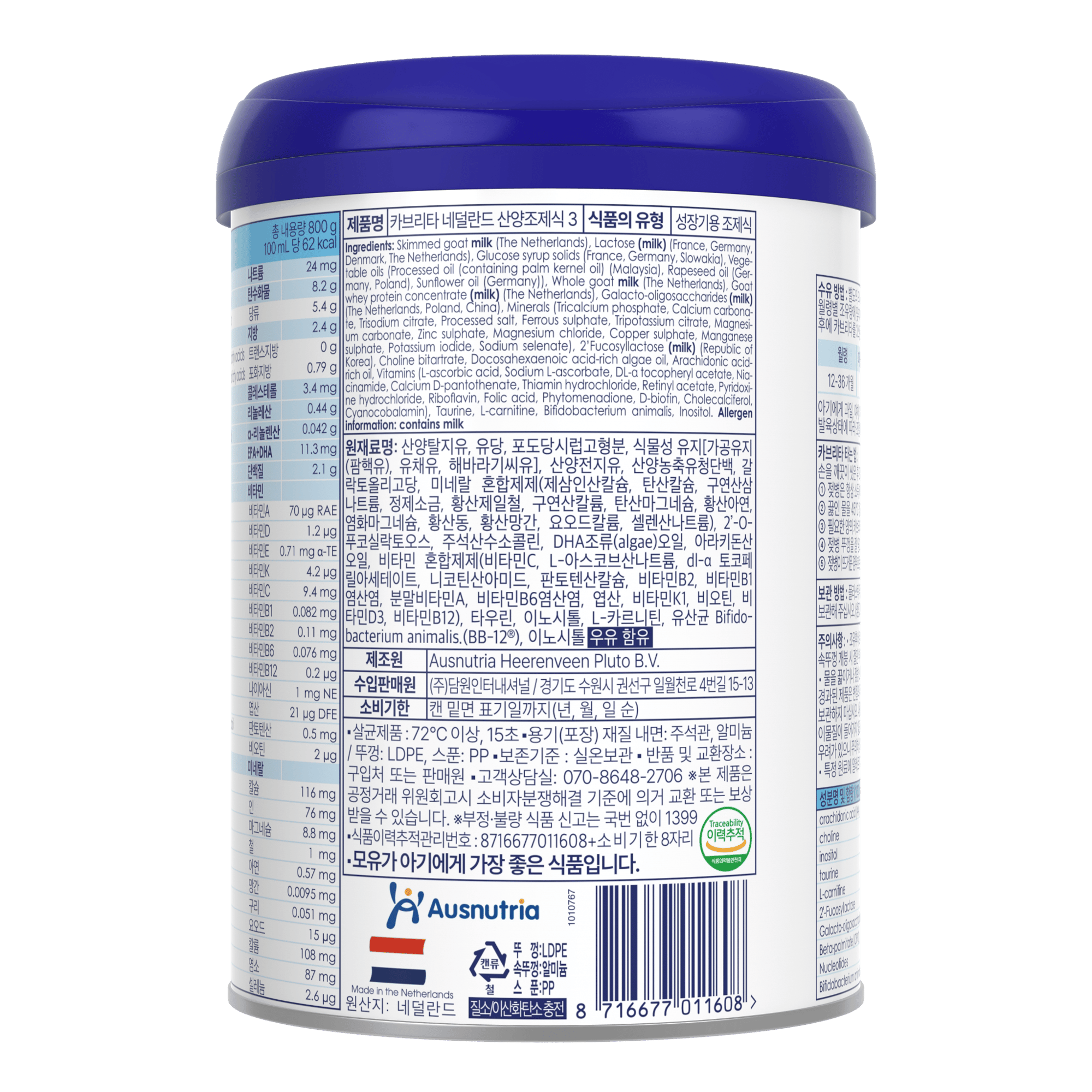
Review the label

Disclaimer: This recipe and label are specific to South Korea formulation.
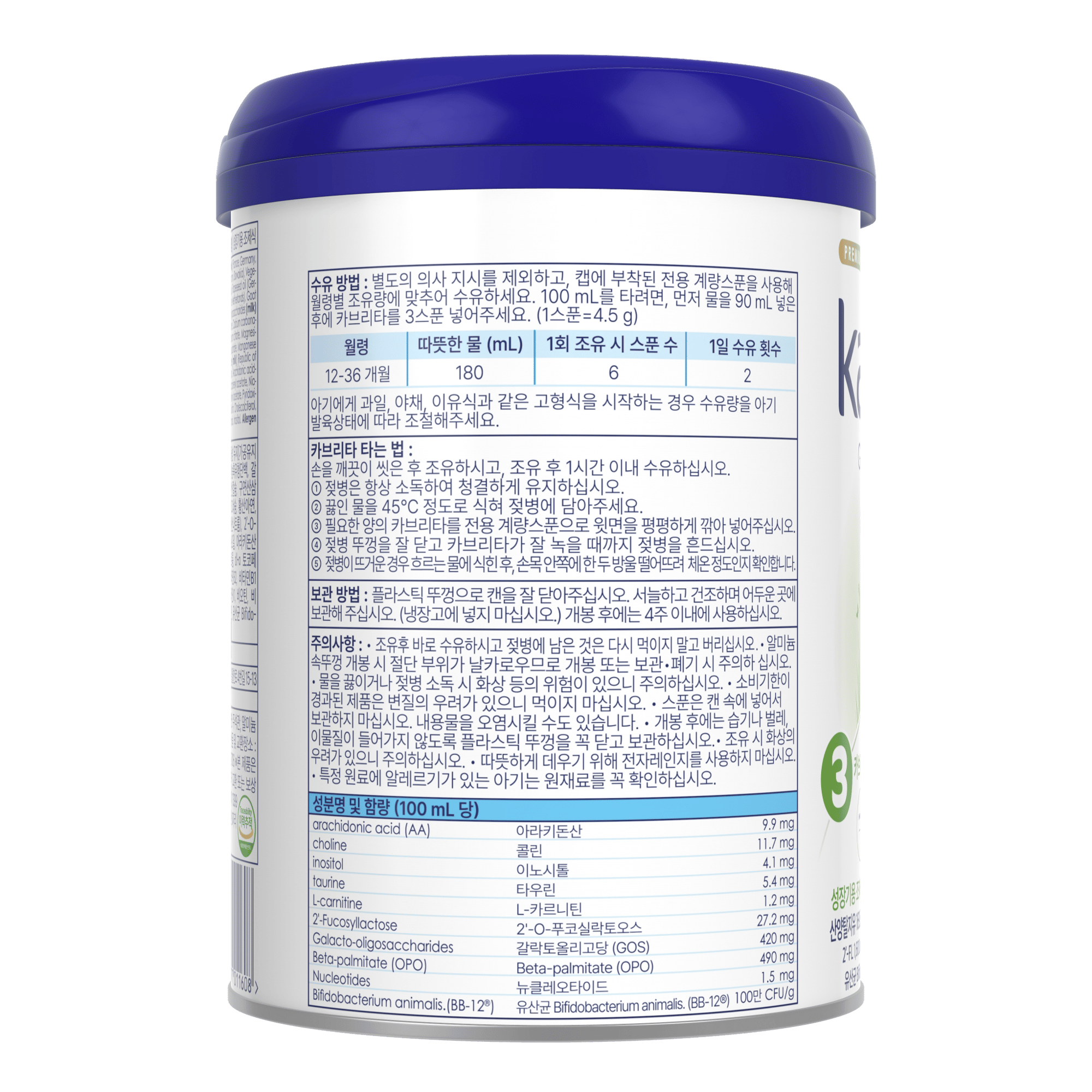
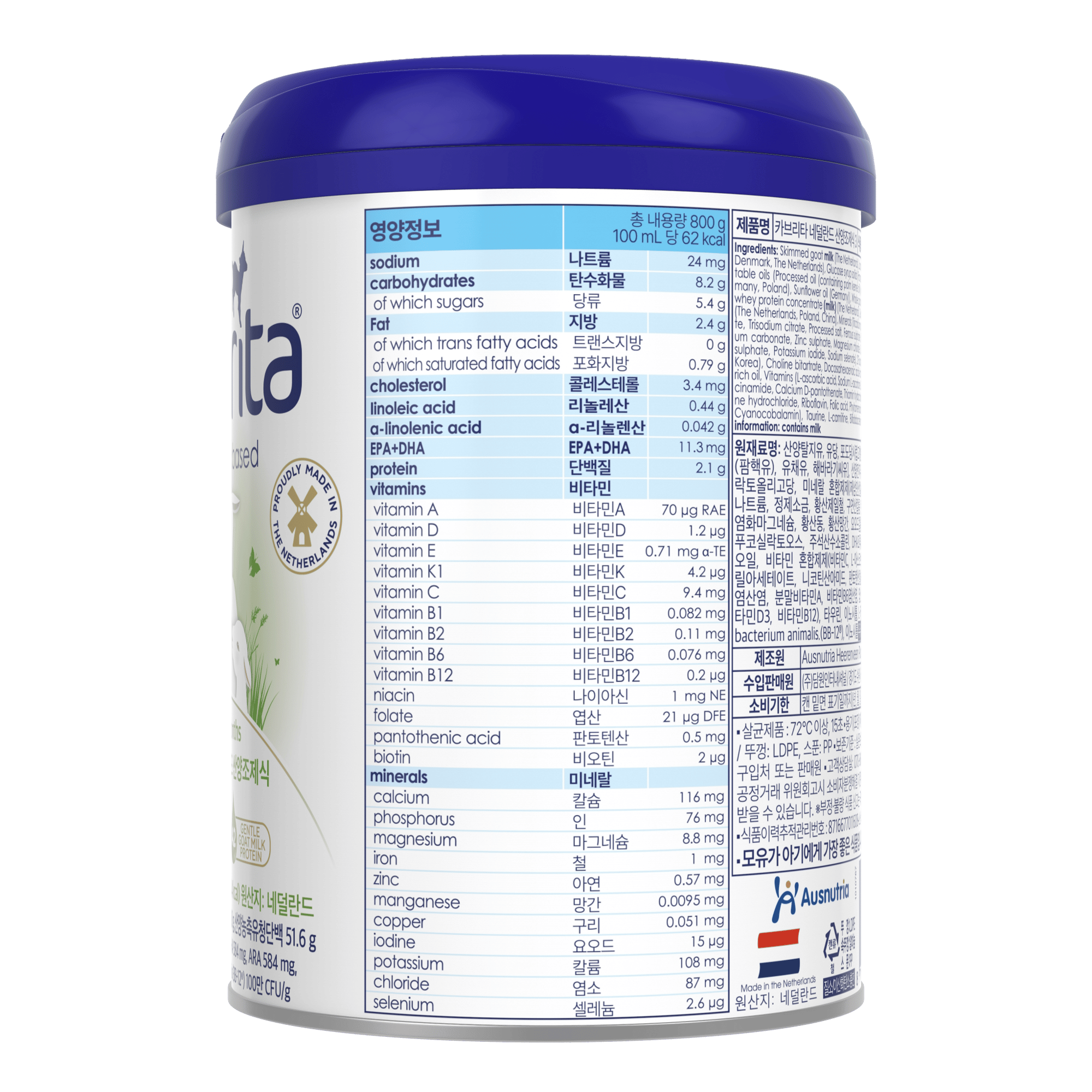
Kabrita_800g_12-36_1010767_Left
Kabrita_800g_12-36_1010767_Right
Kabrita_800g_12-36_1010767_Back

Ingredient deep dive

Click on each ingredient to learn what it is and why we’re proud to have it in our formula

Lactose is the main carbohydrate in human milk, and is therefore the preferred and advised carbohydrate in infant formula.20

Lactose is essential for infant growth and development; in fact, infants receive 40% of their caloric requirements from the lactose they consume in the first six months of life.21

Lactose also has prebiotic properties and enhances the absorption of calcium and magnesium,22 and may support gut health by increasing the growth of beneficial bacteria.23 While the goat milk in our products provides some lactose, we add additional lactose to emulate the amount in breast milk.

Fats are crucial for healthy growth and development. No single plant-based oil has a comparable fatty acid profile to that of breast milk, so all infant formulas contain an oil blend. Our oil blend includes coconut oil to deliver a fatty acid profile that resembles the fatty acid profile in human milk as close as possible.

About 20-25% of the fat in breast milk consists of palmitic acid, while 70% of the palmitic acid in breast milk is in the sn-2 palmitic acid form.13 

Kabrita adds sn-2 palmitic acid as 1,3-dioleoyl-2-palmitoyl triglyceride (OPO) in sufficient amounts, which has been shown to improve calcium absorption, fat absorption, and bone strength.14,15
 
Other benefits including better stool consistency, reduced crying time, and a well-balanced gut microbiota have been reported in scientific research.17,25–29

Fats are crucial for healthy growth and development. No single plant-based oil has a comparable fatty acid profile to that of breast milk, so all infant formulas contain an oil blend. Our oil blend includes rapeseed oil to deliver a fatty acid profile that resembles the fatty acid profile in human milk as close as possible.

Fats are crucial for healthy growth and development. No single plant-based oil has a comparable fatty acid profile to that of breast milk, so all infant formulas contain an oil blend. Our oil blend includes sunflower oil to deliver a fatty acid profile that resembles the fatty acid profile in human milk as close as possible.

Whole goat milk is a very rich source of nutrients, and a good source of fatty acids.1

Whey is added as a source of protein to support infant growth and development. Goat milk whey proteins are easier to digest than cow milk whey proteins.2–4,6

Goats milk has a natural whey to casein ratio of approximately 20:80, so we add whey to mimic the 60:40 ratio found in mature breast milk.24

Galacto-oligosaccharides (GOS) are complex carbohydrates that are also naturally found in human milk.

GOS is the most studied prebiotic and has proven health benefits for infants such as the ability to stimulate growth of beneficial bacteria, hamper the growth of pathogenic bacteria, and improve stool consistency.30

2'-Fucosyllactose (2'-FL) is the most abundant human milk oligosaccharide (HMO) found in breast milk, acting as a prebiotic that supports immune health and gut microbiota in infants. 

Calcium makes up much of the structure of bones and teeth and allows normal bodily movement by keeping tissue rigid, strong, and flexible.

A small ionized pool of calcium in the circulatory system, extracellular fluid, and various tissues mediates blood vessel contraction and dilation, muscle function, blood clotting, nerve transmission, and hormonal secretion.42

Sodium is a mineral that is essential in supporting physiological processes like neural transmission, muscle contraction, and vascular tone, as well as the drive for active transport of nutrients (e.g. glucose).40 

Sodium chloride (table salt) provides essential electrolytes which are vital for fluid balance, nerve transmission, and muscle function in infants. It helps mimic the natural salt content found in breast milk to support healthy growth and development.

Potassium, is an essential electrolyte that helps regulate fluid balance, nerve signals, and muscle function, including the heartbeat, all vital for an infant’s growth and development.

Potassium is required for normal cell function because of its role in maintaining intracellular fluid volume and transmembrane electrochemical gradients.

Potassium has a strong relationship with sodium, the main regulator of extracellular fluid volume, including plasma volume.43

Iron is a trace element that has important metabolic functions, including oxygen transport. Iron contributes to several processes like normal energy metabolism, immune system function, cognitive function and formation of red blood cells and hemoglobin.49

Magnesium is a mineral that is important for regulating muscle and nerve function, blood sugar levels, and blood pressure and making protein, bone, and DNA.47

Zinc is a mineral and involved in many aspects of cell metabolism. It plays a role in immune function, protein synthesis, wound healing, DNA synthesis and cell division.

Zinc also supports healthy growth and development during infancy, childhood, and adolescence and is involved in the sense of taste.51


Copper is a cofactor for several enzymes involved in energy production, iron metabolism, neuropeptide activation, connective tissue synthesis, and neurotransmitter synthesis.

Copper is also involved in many physiologic processes, such as angiogenesis; neurohormone homeostasis; and regulation of gene expression, brain development, pigmentation, and immune system functioning.

Copper also helps the body defend against oxidative damage.57

It provides essential calcium and phosphorus, which support healthy bone growth, tooth development, and cellular function in infants. These minerals are critical during early growth for building a strong skeletal structure.

Manganese is involved in amino acid, cholesterol, glucose, and carbohydrate metabolism; reactive oxygen species scavenging; bone formation; reproduction; and immune response.

Manganese also plays a role in blood clotting and hemostasis in conjunction with vitamin K.56 

Iodine is an essential component of the thyroid hormones that regulate many important biochemical reactions, including protein synthesis and enzymatic activity, and are critical determinants of metabolic activity.

They are also required for proper skeletal and central nervous system development in fetuses and infants.61

Selenium plays critical roles in thyroid hormone metabolism, DNA synthesis, reproduction, and protection from oxidative damage and infection.63

Choline is a conditionally essential nutrient that regulates memory, mood, muscle control, and other functions. Choline is also essential in forming the membranes that surround cells.41

The plant-based oil arachidonic acid (ARA) is an omega-6 fatty acid. ARA is one of the long chain polyunsaturated fatty acids (LCPUFA) naturally found in breast milk.31  

Together with DHA, ARA supports normal eye, brain, and neurological development as well as the repair and growth of muscle tissue.32–35

The balance between DHA and ARA is important, and Kabrita formula meets the scientific recommendation of more ARA than DHA.31,34,36,37

This oil, produced by algae, is added to provide docosahexaenoic acid (DHA), an omega-3 fatty acid. DHA is one of the long chain polyunsaturated fatty acids (LCPUFA) naturally found in breast milk.31  

Since 2020, the European infant formula regulations require DHA to be added to infant formula, although it’s not mandatory in the United States.39

Along with ARA, DHA is crucial for brain, eye, and neurological development for infants.32,35
L-Phenylalanine is an essential amino acid that supports brain development, hormone production, and the synthesis of important neurotransmitters like dopamine in infants.


Vitamin C is required for the biosynthesis of collagen, L-carnitine, and certain neurotransmitters, and it is involved in protein metabolism.

Vitamin C is also an important physiological antioxidant and has been shown to regenerate other antioxidants within the body, including alpha-tocopherol. It plays an important role in immune function  and improves the absorption of nonheme iron.44

Vitamin C is required for the biosynthesis of collagen, L-carnitine, and certain neurotransmitters, and it is involved in protein metabolism.

Vitamin C is also an important physiological antioxidant and has been shown to regenerate other antioxidants within the body, including alpha-tocopherol. It plays an important role in immune function  and improves the absorption of nonheme iron.44

Niacin is a vitamin which is crucial for many oxidation/reduction reactions and is associated with several physiological processes.50


Pantothenic acid has a central role in a wide variety of metabolic pathways including fatty acid synthesis.52 

Vitamin E is a fat-soluble vitamin that has antioxidant properties that contribute to the protection of cells from oxidative stress.48
Vitamin A is a fat-soluble vitamin that is involved in immune function, cellular communication, growth and development, and male and female reproduction.

Vitamin A supports cell growth and differentiation, playing a critical role in the normal formation and maintenance of the heart, lungs, eyes, and other organs.53

Thiamin plays a critical role in energy metabolism and, therefore, in the growth, development, and function of cells.54
Riboflavin is an essential component of two major coenzymes that play major roles in energy production; cellular function, growth, and development; and metabolism of fats, drugs, and steroids.

Riboflavin also helps maintain normal levels of homocysteine, an amino acid in the blood.55
Vitamin B6 (in coenzyme form) is involved in more than 100 enzyme reactions, mostly concerned with protein metabolism. Vitamin B6 also plays a role in cognitive development, gluconeogenesis and glycogenolysis, immune function, and hemoglobin formation.58
Folic acid is essential for contribution to normal amino acid synthesis and involved in several physiological functions and metabolism. It also has a role in the process of cell division.59
Vitamin K is a fat-soluble vitamin needed primarily for the synthesis of various factors and proteins involved in blood coagulation. Vitamin K contributes to maintenance of healthy bones.60

Biotin is critical in the metabolism of fatty acids, glucose, and amino acids. It also plays key roles in histone modifications, gene regulation (by modifying the activity of transcription factors), and cell signaling.62

Vitamin D is a fat-soluble vitamin that promotes calcium absorption in the gut and is critical for normal bone mineralization, bone growth, and bone remodeling.

Vitamin D has other roles in the body, including reduction of inflammation as well as modulation of such processes as cell growth, neuromuscular and immune function, and glucose metabolism.

Many genes encoding proteins that regulate cell proliferation, differentiation, and apoptosis are modulated in part by vitamin D.64 

Vitamin B12 is required for the development, myelination, and function of the central nervous system, healthy red blood cell formation, and DNA synthesis.65

Potassium is required for normal cell function because of its role in maintaining intracellular fluid volume and transmembrane electrochemical gradients.

Potassium has a strong relationship with sodium, the main regulator of extracellular fluid volume, including plasma volume.43

Taurine is an essential amino acid for babies. It is important for the development of the retina and central nervous system, and essential for the digestion of fat.45
Inositol is a carbohydrate and plays a role in the development and growth of cells.46

L-Tryptophan is an essential amino acid that plays a key role in infant growth, nitrogen balance, and the production of serotonin, which supports sleep and mood regulation.

L-carnitine is an essential nutrient for infants due to a temporarily insufficient synthesizing capacity. It is required for transport of fatty acids to be used in energy production.20 
 BB-12 supports well balanced gut microbiota, immune function, comfort & skin health 

Toddler formula clinical resources

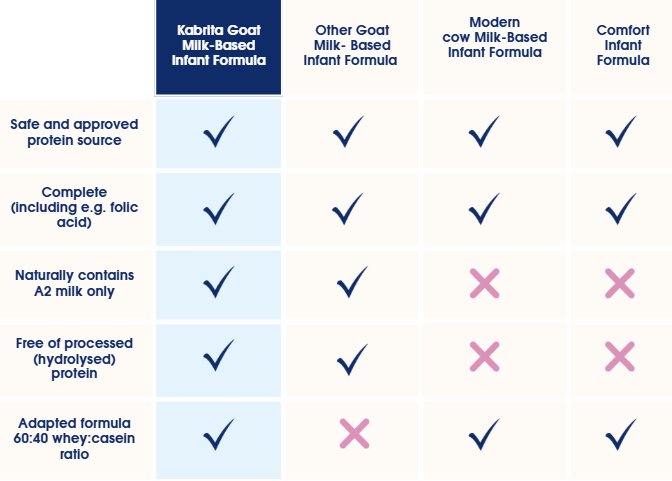
Why Kabrita Goat Milk Formula Stands Out?
Kabrita
Goat Milk Nutrition
Why Kabrita Goat Milk Formula Stands Out?

As healthcare professional, you're frequently asked by parents about infant formula options, particu...

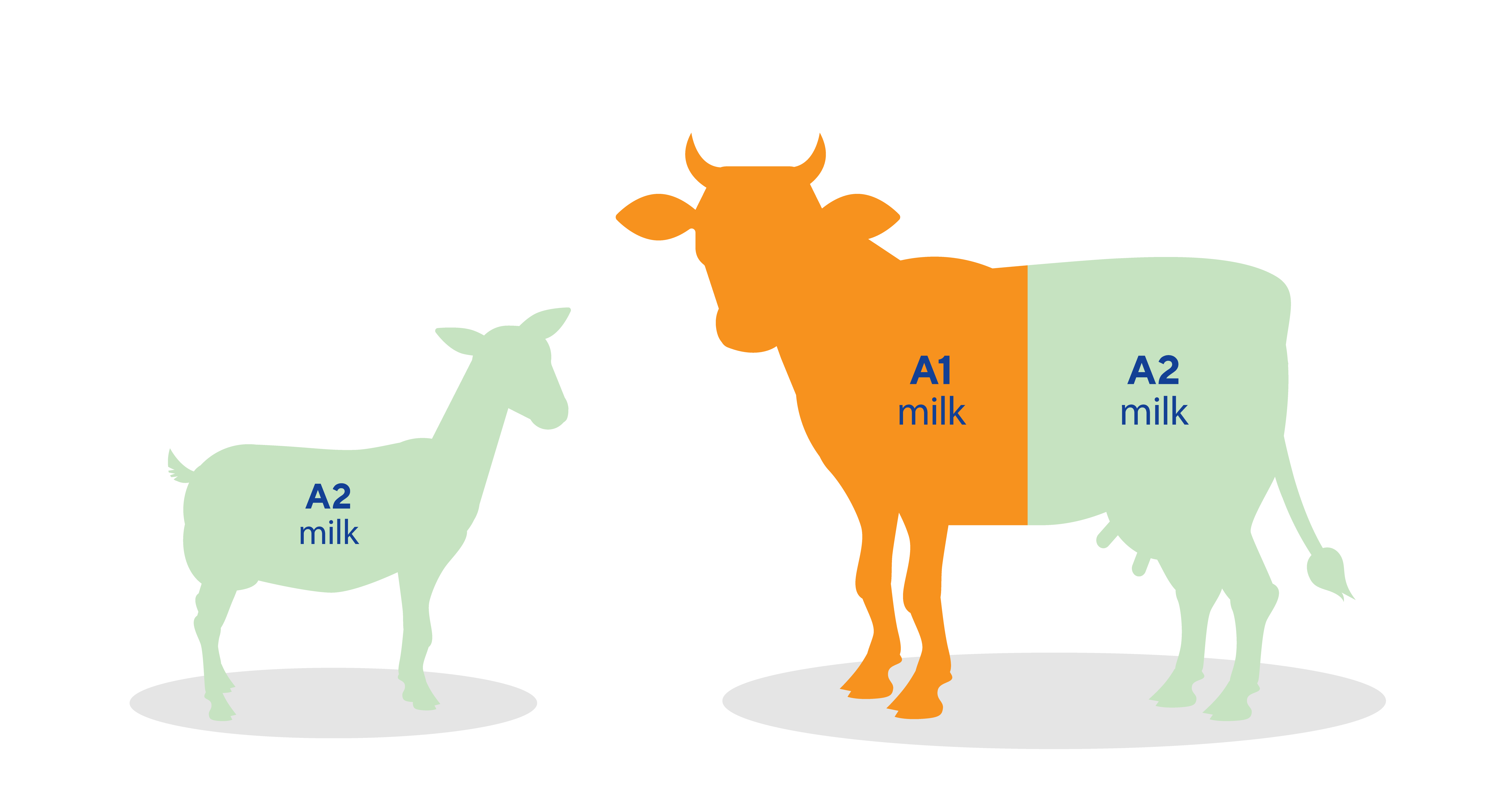
What is A2 Milk?
Goat Milk Nutrition
Digestion
Blog
What is A2 Milk?

Protein composition plays a central role in milk digestibility. Casein accounts for approximately 80...
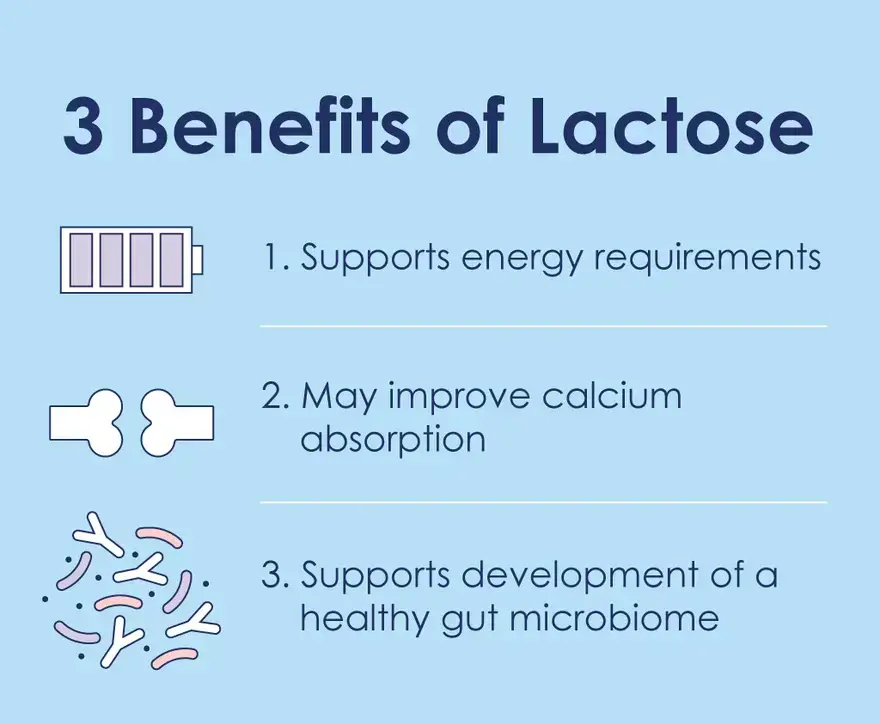
Why is Lactose Important in Infant Formula?

Lactose is one of the most discussed ingredients in infant nutrition. Some parents view it with conc...

How Kabrita Supports Parents' Quality of Life

As healthcare professionals, you understand that infant nutrition choices extend far beyond meeting ...